Ever heard of arquidimatismo? If not, don’t worry, you’re not alone. This fascinating blend of architecture and design principles might just be the secret sauce your next construction project needs. Imagine taking traditional design and giving it a sassy makeover that balances art, function, and perhaps just a touch of whimsy. In an age where cookie-cutter houses are about as exciting as watching paint dry, arquidimatismo is here to shake things up. Let’s dive deep into its origins, principles, and what makes it a game-changer in modern architecture.
Arquidimatismo
Arquidimatismo is a term that fuses various architectural philosophies into a cohesive approach. Emerging in the late 20th century, it aims to navigate the tension between utilitarian design and artistic expression.
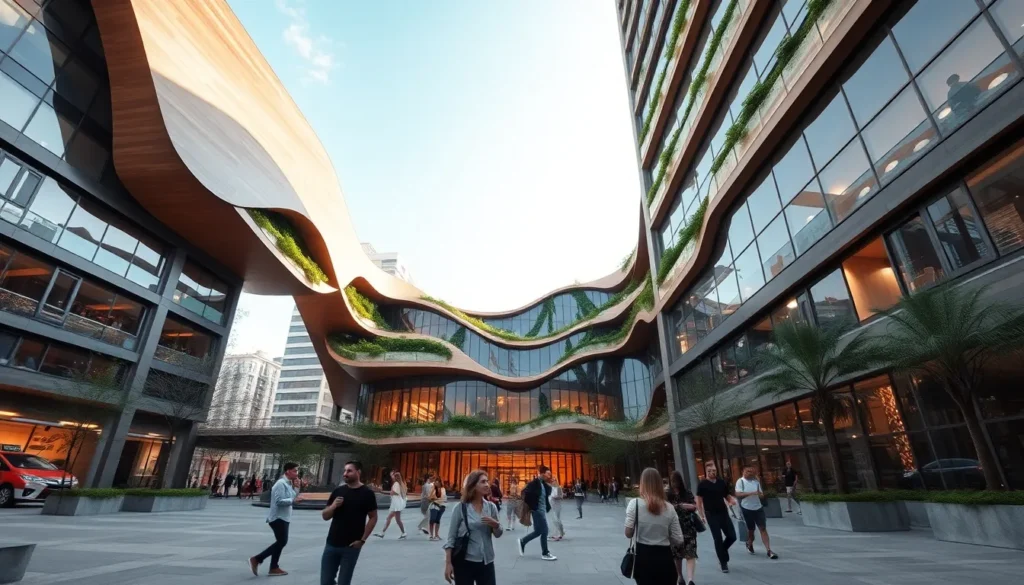
Originating from the Spanish-speaking world, it reflects a cultural shift towards incorporating more abstract designs into functional structures. This approach encourages architects to view their creations not just as buildings, but as experiences, blurring the lines between art and architecture. Architects specializing in this field often draw inspiration from nature, urban landscapes, and even philosophical concepts. This allows them to create structures that resonate emotionally with their inhabitants, engaging them in a dialogue that transcends mere aesthetic appeal.
Key Principles of Arquidimatismo
The core principles of arquidimatismo revolve around innovation, harmony, and user experience. These principles guide architects in crafting designs that are not only visually striking but also imbue a sense of connection with their environment.
Innovation
Innovation stands at the forefront of arquidimatismo. Architects are encouraged to challenge conventional limits and reimagine the possibilities of space. Gone are the days when structures could be defined by rigid lines and predictable forms. Today, they can be fluid, adaptive, and surprisingly functional.
Harmony
Next comes harmony. This principle emphasizes a balance between environment and built space. Architects strive to create a seamless transition from the exterior to the interior, making use of natural materials and sustainable practices. This commitment to eco-friendliness not only benefits the planet but enhances the aesthetic value.
User Experience
Finally, user experience is a non-negotiable tenet of arquidimatismo. Spaces are designed with the end user in mind, ensuring that they can be enjoyed and navigated with ease. Interactive elements and adaptable spaces cater to the evolving needs of inhabitants, turning buildings into living, breathing entities.
The Role of Arquidimatismo in Modern Architecture
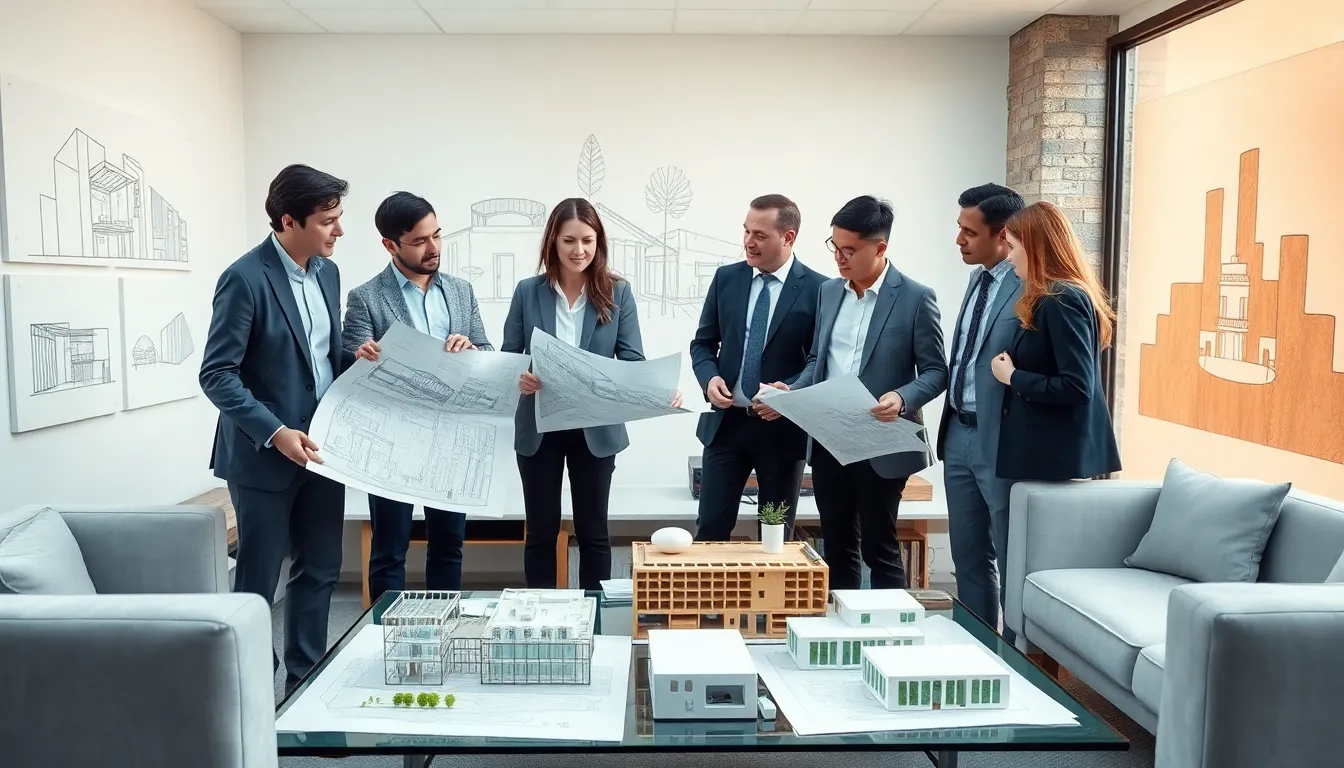
In contemporary architecture, arquidimatismo plays a pivotal role by introducing adaptive, innovative, and engaging designs. No longer do architects rely solely on strict blueprints and well-defined structures. Instead, they harness the principles of arquidimatismo to create spaces that adapt to personal and communal needs.
This adaptability enables the blending of residential, commercial, and public spaces, fostering community interaction. For instance, a coffee shop might share a wall with a coworking space, encouraging collaboration and creative exchanges.
Also, the focus on sustainable practices encourages architects to use recycled materials and carry out energy-efficient technologies, further enhancing the positive impact on the environment. As concerns about climate change and resource depletion grow, architects who embrace arquidimatismo become key players in addressing these global challenges.
Arquidimatismo vs. Traditional Design Methods
When comparing arquidimatismo to traditional design methods, the differences are as pronounced as day and night. Traditional design often adheres strictly to established norms and guidelines, celebrating symmetry and uniformity. While these attributes have their own charm, they can result in uninspired and predictable outcomes.
In contrast, arquidimatismo encourages a radical departure from the norm. Think asymmetrical forms and unexpected materials that evoke emotional responses. This contrasts sharply with conventional methods that prioritize aesthetics over user engagement.
Also, while traditional designs are often resource-intensive and rigid, arquidimatismo emphasizes flexibility and sustainability. Structures are designed to evolve with their inhabitants, mirroring the complex tapestry of human existence.
Case Studies in Arquidimatismo
To appreciate the impact of arquidimatismo, consider a few exemplary case studies.
The Bosco Verticale (Vertical Forest) in Milan
This stunning residential project exemplifies the core ideals of arquidimatismo. Touted as a ‘vertical forest’, it integrates over 9,000 trees within its design, creating a lush urban oasis. The existence of greenery not only enhances aesthetic value but also improves air quality, showcasing how architecture can harmonize with nature.
The High Line in New York City
Another shining example is New York’s High Line, a repurposed elevated railway transformed into a public park. This project incorporates art installations and seating areas, inviting community interaction and engagement. Such innovative use of space embodies the principles of arquidimatismo, turning an underutilized area into a vibrant social hub.
Future Trends in Arquidimatismo
As we look to the future, arquidimatismo is poised to evolve alongside shifting societal needs and technological advancements. Expect to see increased integration of smart technologies, enabling buildings that respond to environmental changes and human inputs.
Also, the push for sustainability will continue to drive innovation. Architects increasingly adopt renewable energy sources, recycled materials, and biophilic design principles. Future structures may not just be energy-efficient: they might even produce their own energy.
Besides, the importance of mental well-being in space design is gaining traction. Expect more emphasis on light, nature, and contemplative areas that prioritize psychological benefits. As architects embrace these evolving demands, arquidimatismo will redefine the landscape of modern design.